
What are Solar Panels?
The sun is a renewable, pollution-free source of electricity — and here in Geelong, on the Surf Coast and across the Bellarine, we get plenty of it. Modern solar panels convert that sunlight straight into electricity for your home, with no emissions and no moving parts. This guide explains what solar panels are, how they work, and what actually affects how much power they make on a Geelong roof.
The Complete Photovoltaics (PV) System
This consist of the following primary components,
- Solar Cell: A semiconductor device which converts sunlight into direct current (DC).
- Module: PV modules are a packaged and connected assembly of solar cells. These consists of many solar cells wired in parallel to increase current and in series to produce a higher voltage.
- Solar Panel: These includes pre-wired PV modules assembled as a field-installable unit
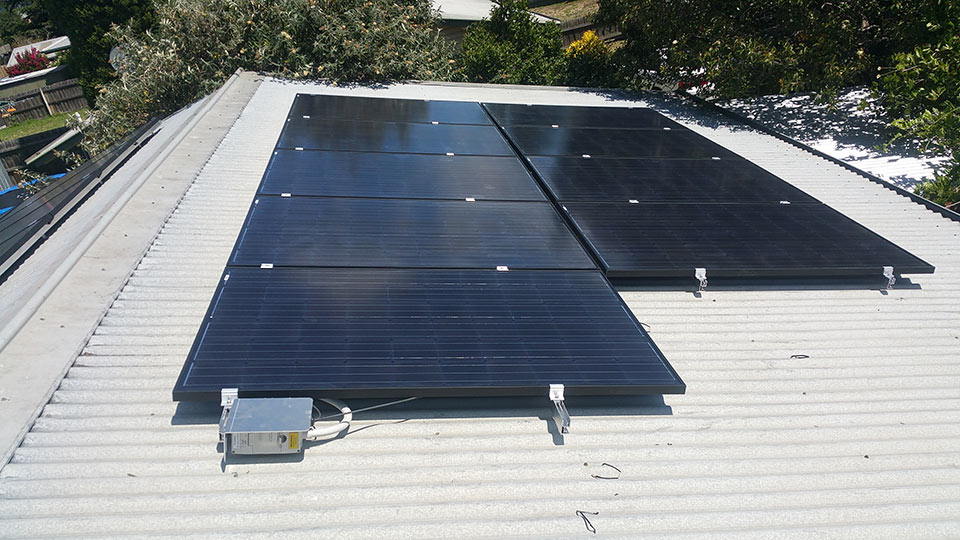
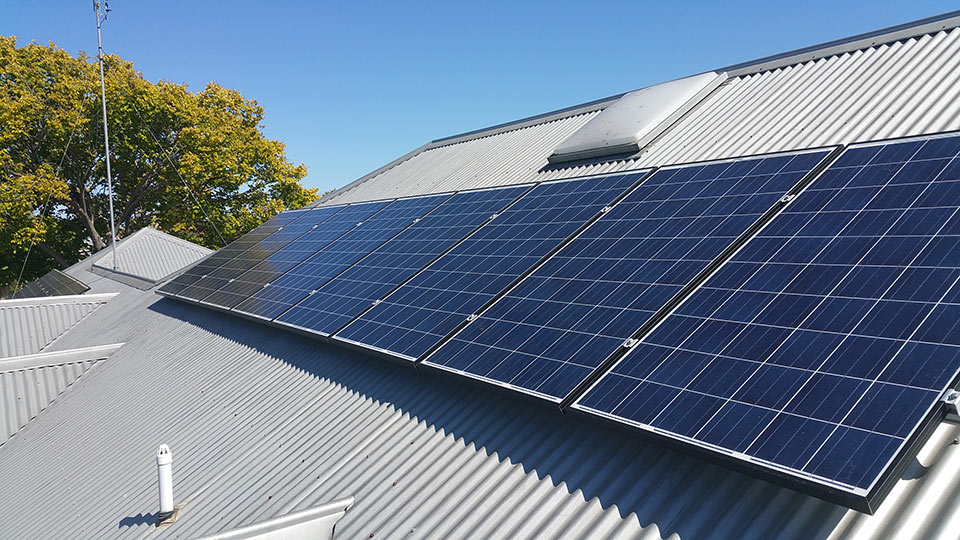
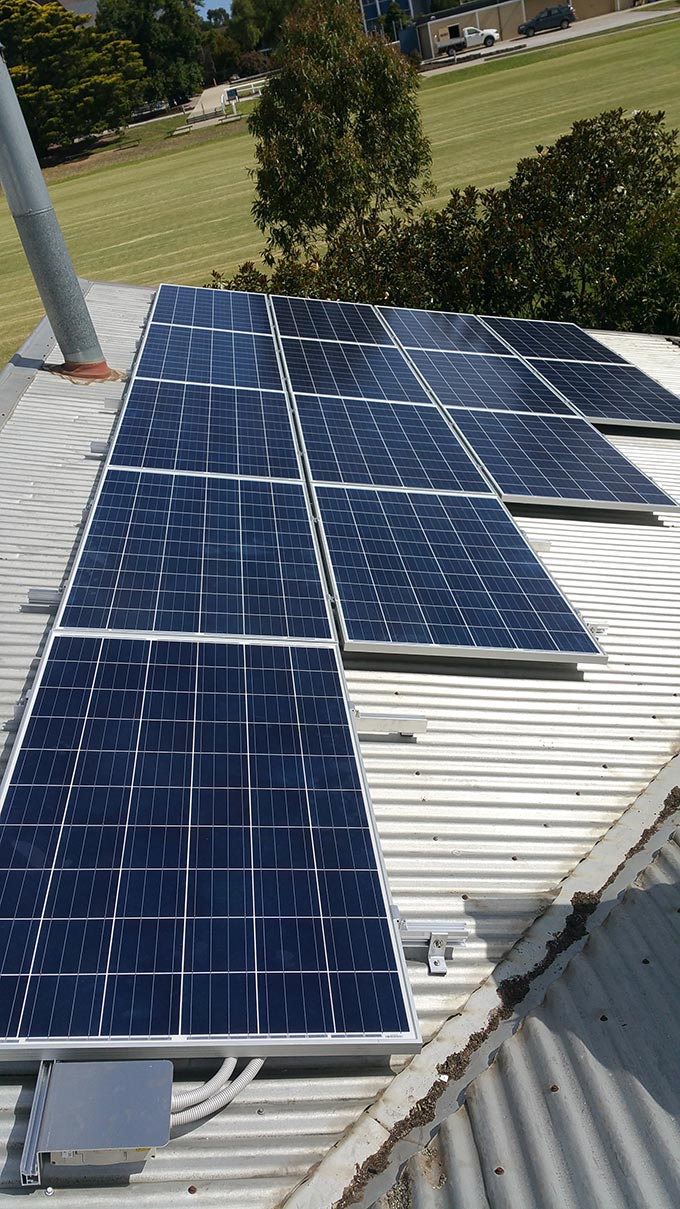
- Array: A PV array is a linked collection of solar panels, functioning as the complete power-generating unit
Solar Panels and how they function
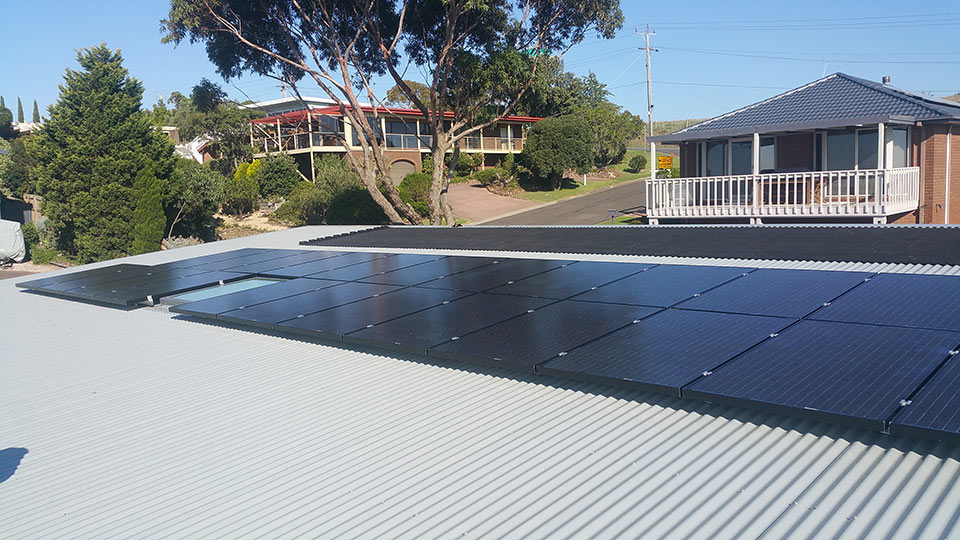
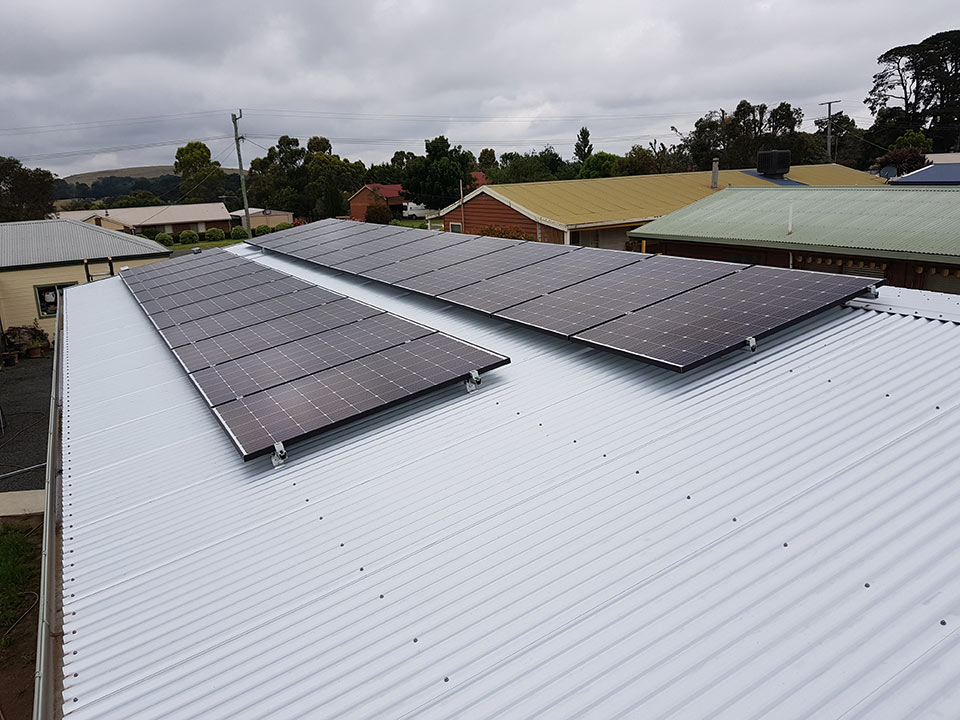
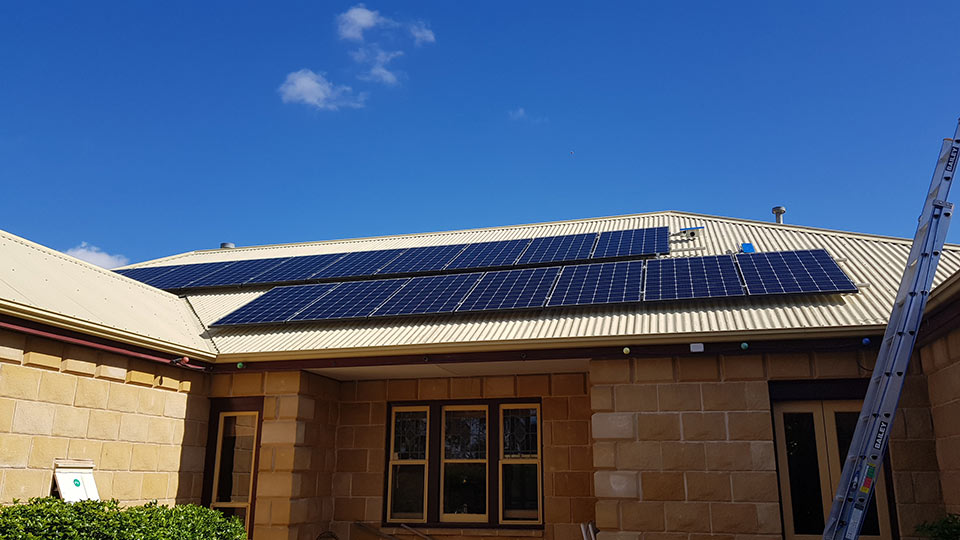
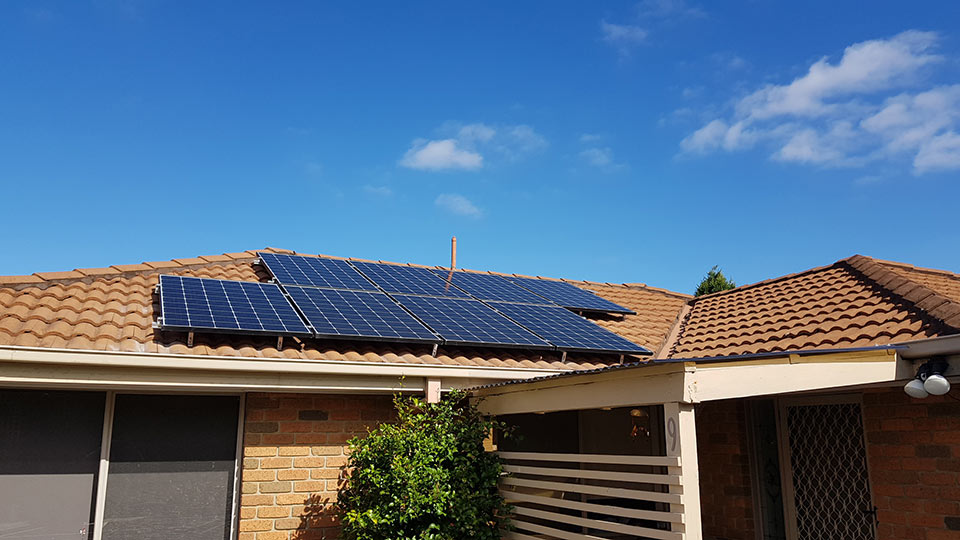
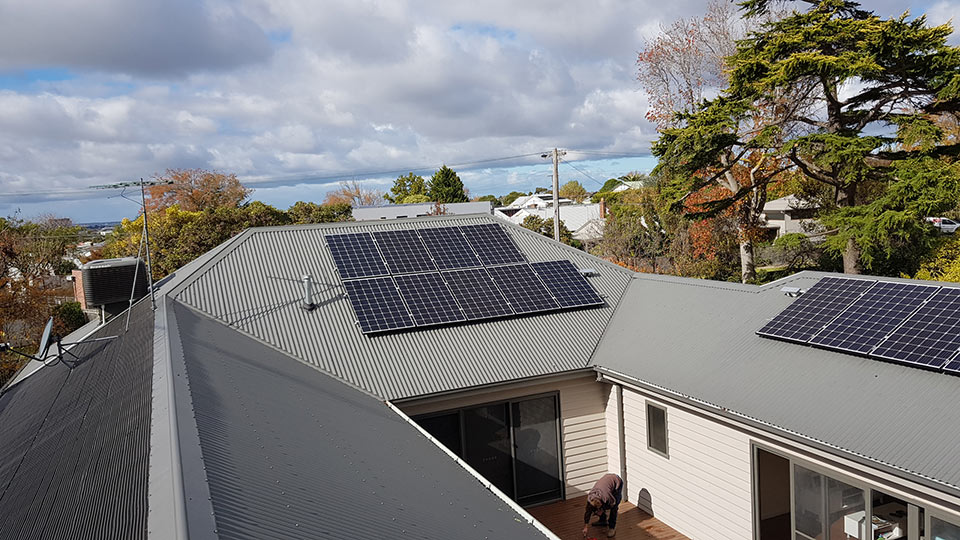
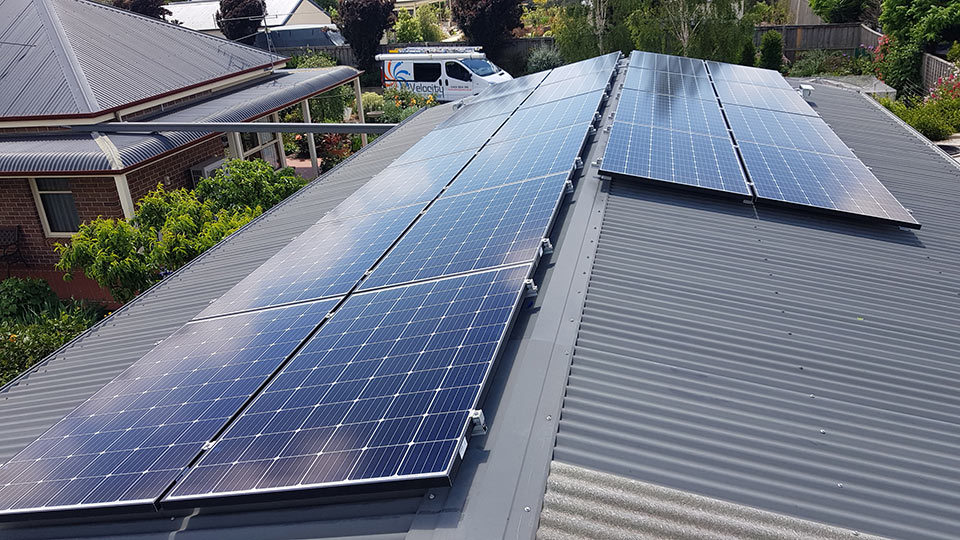
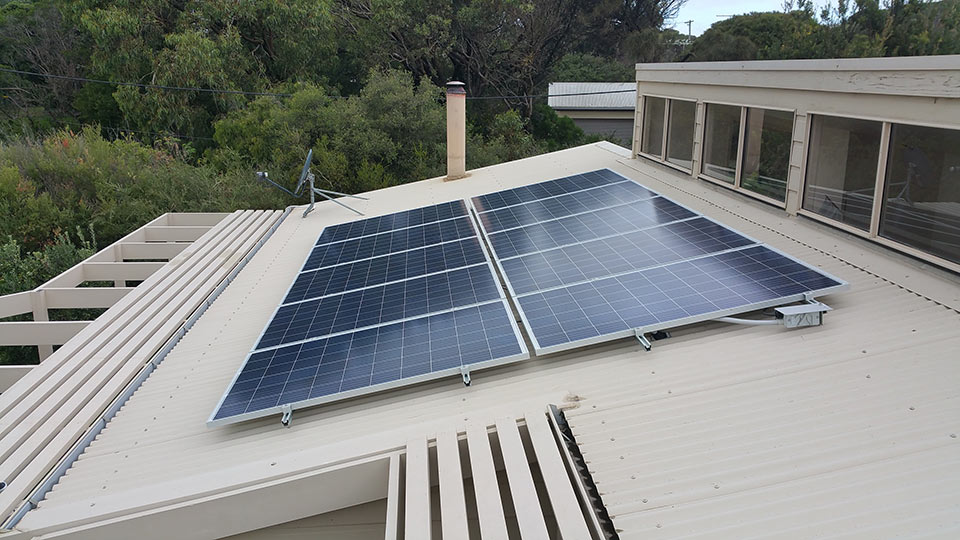
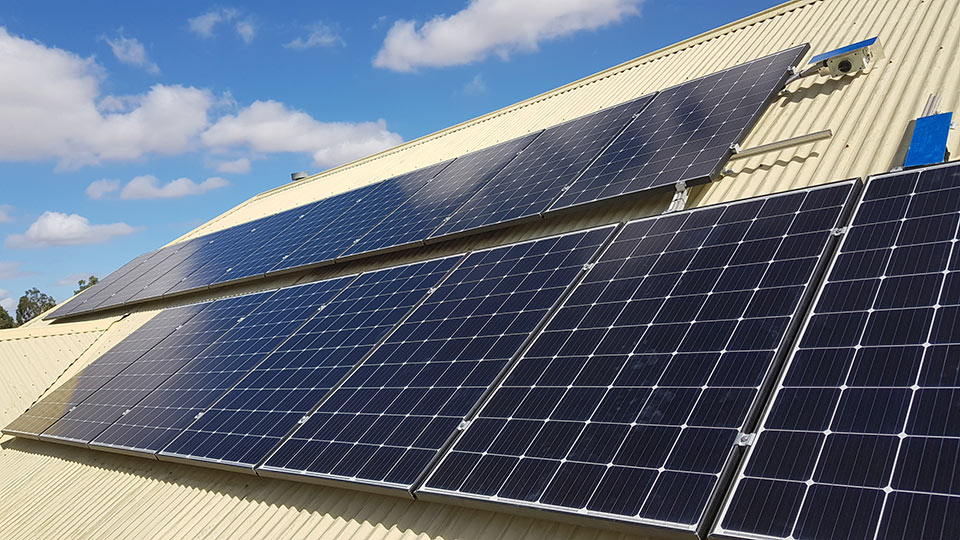
Solar panels are a combination of solar cells commonly in rectangular shapes, and used to convert sunlight into electricity. They are designed to absorb the sun’s rays as a source of renewable energy for the purpose of generating electricity or heat. The solar panels are also called photovoltaics, which basically means ‘electricity from sunlight’.
The most relevant part of a solar panel is the solar cell. It consists of single or multiple layers of silicon based semiconductor wafers. These cells generate electrical charge using photovoltaic effect. This effect produces voltage from photons whenever the cells are struck by sunlight. They are also responsible for producing a steady electrical current. This is achieved when the change in magnetic charge created from the sun hits that panels and is multiplied thousands of times in every cell.
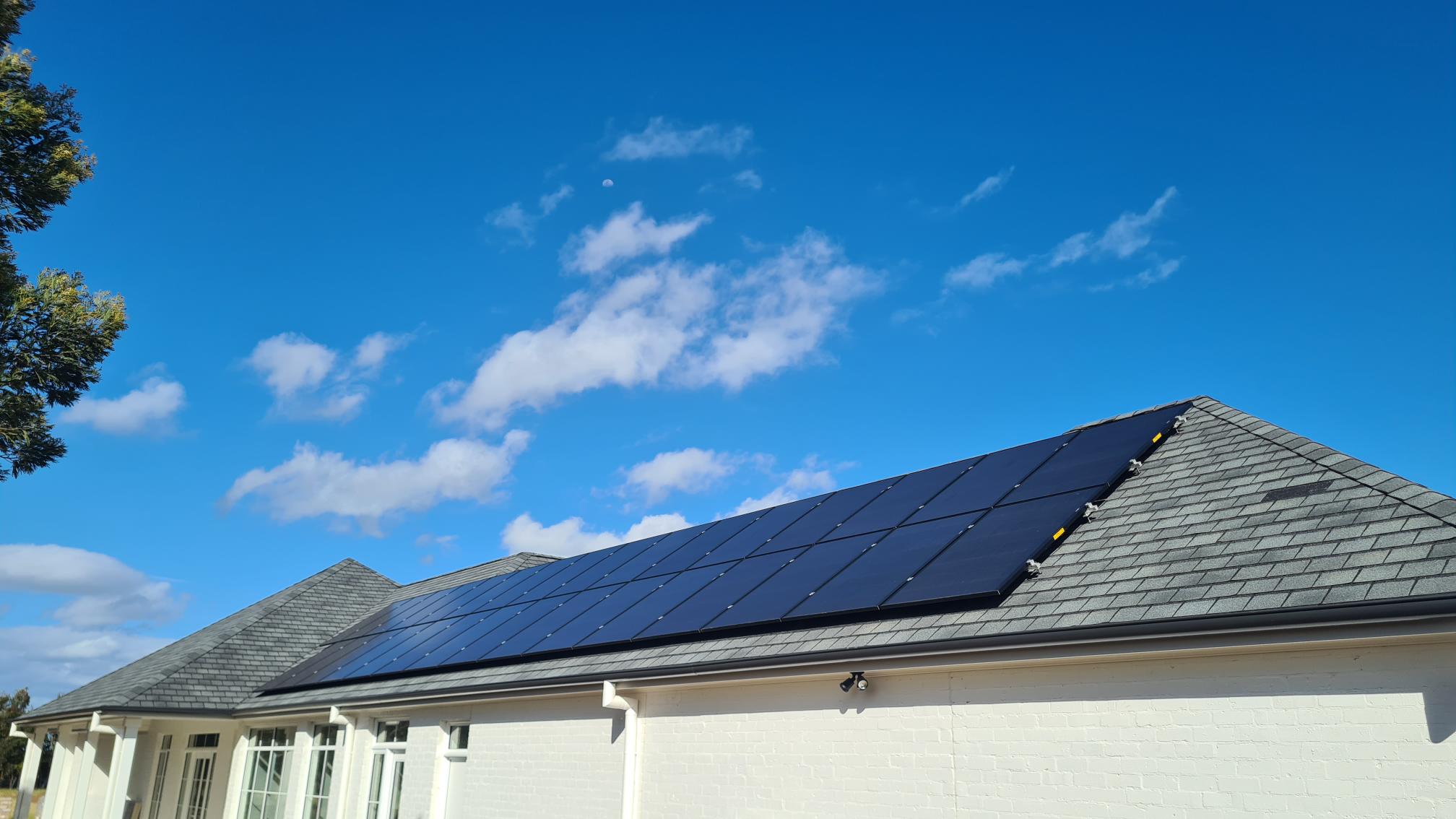
These PV cells are packed in to solar modules, which are again packed in to solar panels. These panels are mounted usually on the rooftop to maximise the exposure to direct sunlight. The electricity generated by the solar cells is direct current (DC) and needs to be transformed into alternating current (AC), which is done through an inverter. Only AC is used by appliances and the local utility electricity distribution grid. Inverters can also provide data (performance) monitoring for the solar system and related services. Additionally, the electricity produced by these panels is integrated seamlessly in the existing electricity system, which means that when the level of sunshine changes there is no change to the system eg nobody has to worry about the lights dimming in the absence of sunlight.
Silicon in Solar Panels
Silicon has some special chemical properties, especially in its crystalline form. Solar panels are a series of interconnected silicon cells, framing a circuit for an efficient electricity production system. The silicon used in all the cells is highly processed to reach the metallurgical grade.
The necessary structure for highly efficient solar cells is pure crystalline silicon. The silicon in the cells can be arranged into monocrystalline, polycrystalline, amorphous silicon or hybrid structure.
Energy Production and Solar Panels
The power generated by a solar system greatly depends on its size. The solar panels are rated according to the DC electricity produced under standard test conditions. A normal solar panel is capable of producing about 330 W of electricity (approx 1000mm by 1600mm). Additionally, solar panels produce more electricity in summer, in comparison to other seasons. There are many external factors which decide the energy production and efficiency of the solar panels,
- Solar panel pitch and orientation – Solar tracking systems may work in such conditions however their cost vs extra return is generally not warranted
- Temperature – Higher temperatures reduce the panel efficiency
- Shading – Avoid shading for maximum power output
- Component efficiency
- Irradiance and insolation
- Location! Location!
- Front face soiling – Cleanliness increases the efficiency and absorption capacity of solar cells
Solar power is ideal for Australian conditions and Velocity Solar provides efficient solar solutions to make your energy consumption highly environment friendly and sustainable. For further details, call us on 03 5243 8364.
Our Residential Solar System Installation Process

STEP 1:
Free Consultation
One of our CEC Accredited Designers will come to your home, we analyse your power usage history and your current plan. Our goal is to understand what you want and expect in a system. We then use this information to formulate the best solar system for your property and budget, keeping future requirements in mind. Our philosophy is ‘Do it once and do it right’.

STEP 2:
Solar System Design
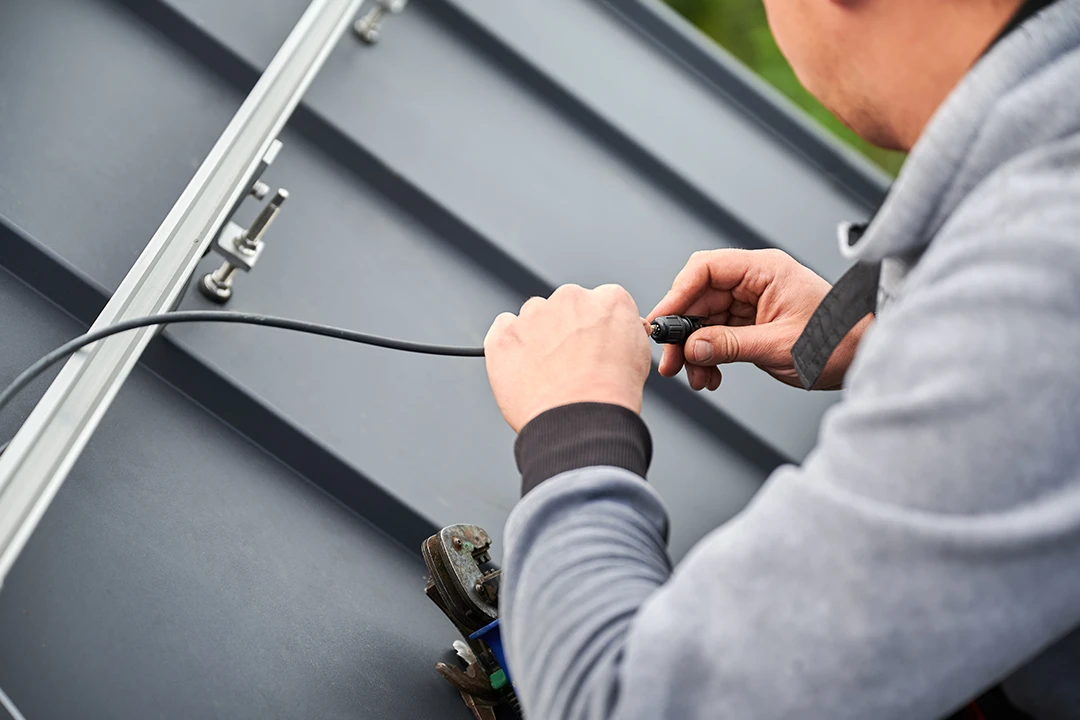
While at your property we will physically inspect and measure your roof to make sure it will be suitable for the solar system we will recommend. We will make sure your switchboard is capable of hosting the solar system and discuss suitable locations for panel, inverter and potential battery placememt.
We design every system to suit the roof it’s going on — panel layout, string design, inverter sizing and, where you want it, room to add a battery later. Because our own in-house crews do the install (we don’t use subcontractors), the people who design your system and the people who fit it work to the same standard.

STEP 3:
Quotation
Our location visit will allow us to gather all the relevant information in order for us to give you a comprehensive and tailored solar solution. Choosing a solar energy system for your home is a big deicision which is why we make it our business to provide you with clear and personalised informatio so that you can make the best decision for you. We are here to answer your questions and make the solar system purchase as clear and simple as possible.

STEP 4:
Approvals & rebates
There are a number boxes that need to ticked in order for your new solar system to work. Power companies need notification, forms for Government rebates need to be completed. Our dedicated admin team are here to help and we make this process as simple and painfree for customers as possible.

STEP 5:
Installation
Once all approvals and pre-approvals are completed and your deposit is received, we can set a date to installation. Most installations tend to be completed in one day.

STEP 6:
Connect to Grid
The approval process will have meant we already know we can connect your new solar system in to the power network. We’ll explain all you need to know about the process of connecting to the power grid and take care of the back end work for you.

STEP 7:
Monitoring & Training
In keeping with being transparent about the whole process, we will set-up the monitoring of your solar system and train you in how to read and understand the information.

STEP 8:
Maintenance
Solar systems work hard for decades, and a little ongoing maintenance keeps yours safe and performing at its best.
We check in with you one year after your install and complete a FREE on-site audit to ensure:
• Your electricity plan is providing you value
• Your panels, roof mounting and cabling are all sound
• Your inverter and monitoring are reporting correctly

Get in touch today and we’ll book a time for your free, no-pressure consultation at home — anywhere in Geelong, the Surf Coast or the Bellarine. Call (03) 5243 8364.
Solar Panel Questions We Get Asked in Geelong
How many solar panels will fit on my roof?
It depends on your roof size, pitch, orientation and shading. Most homes we quote across Geelong and the Bellarine end up somewhere between about 6kW and 20kW of panels. We physically measure and inspect your roof before we recommend a size, rather than guessing from an aerial photo.
Do solar panels work on cloudy Geelong days?
Yes — output is lower than in full sun, but panels still generate on overcast days. Over a year, our local systems produce well: the SigenStor systems we monitor around Geelong typically generate in the range of roughly 8,000 to 13,000kWh per year, depending on system size and site.
Which way should my panels face?
North gives the highest total generation. East and west facing panels spread the production across the morning and afternoon, which often suits households that use power early and late. Many of our designs use a mix.
What size panel is standard now?
Panel wattages have kept climbing — older systems used around 250W to 330W panels, while today’s residential panels are larger in output for a similar physical footprint. That means more power from the same roof area than a system installed a decade ago.
Should I add a battery now or later?
Either works. We design systems so a battery can be added later, and with the current battery rebate a lot of Geelong households are choosing to do solar and storage together. If you already have panels, we can quote a battery retrofit on your existing system.
Do you handle the paperwork and rebates?
Yes. Our admin team lodges the grid connection application and the rebate paperwork for you — that’s part of the job, not an extra.
Who actually installs the panels?
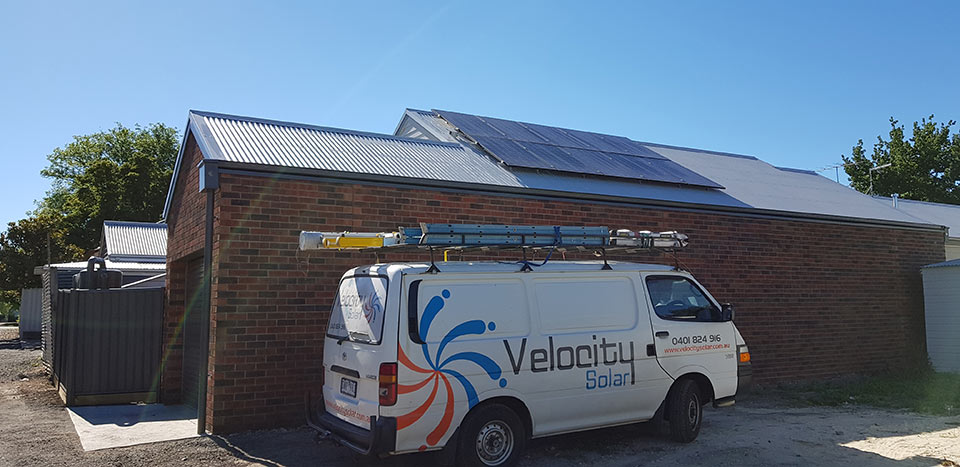
Our own employed crews. Velocity Solar has been installing since 2011 and we’ve completed more than 1,600 installs across Geelong, the Surf Coast and the Bellarine. We don’t subcontract our installations.
Real Local Systems, Real Local Feedback
Highton
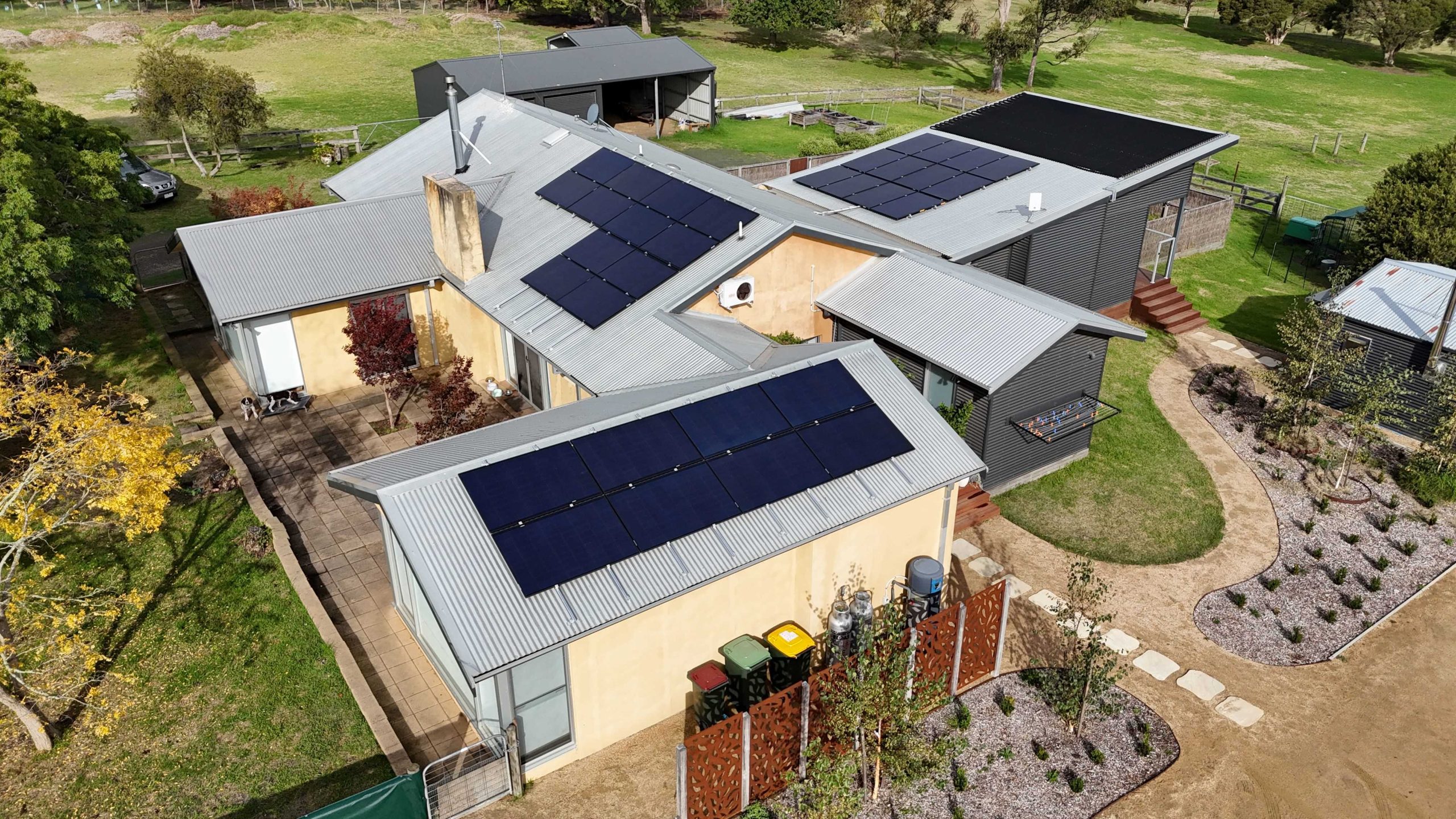
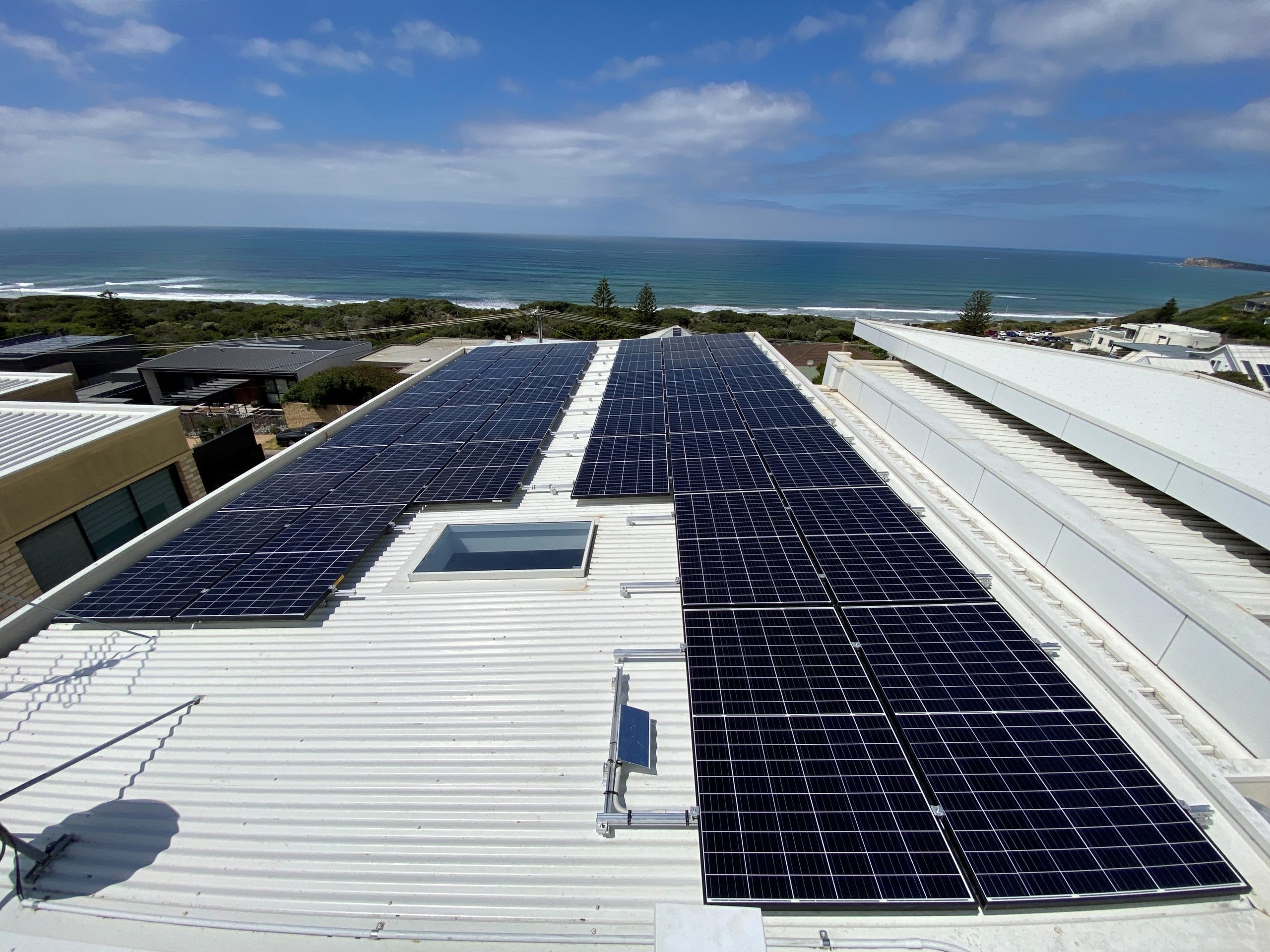
A local homeowner in Highton had a 19.74kW solar system installed with a 40.3kWh SigenStor battery (5 modules). Their monitoring shows around 11,371kWh generated per year.
Barwon Heads
A local homeowner in Barwon Heads went with 23.5kW of panels paired with a 40.3kWh SigenStor battery (5 modules), generating roughly 11,483kWh per year.
Ocean Grove
A local homeowner in Ocean Grove had a 14.52kW system fitted with a 40.3kWh SigenStor battery (5 modules), producing about 8,845kWh a year.
Wendy — “Very knowledgeable, professional team, tidy and friendly. Did a great job and explained the system well. Many thanks, Wendy”
Ian — “Velocity Solar were great with the installation of our solar battery. The process was quick, done efficiently and tidied up nicely. And the battery works great. The whole process went well. I’m glad we chose a local company. I am confident to recommend them.”
Hal — “Local, professional, knowledgeable, accessible, competent – a pleasure to work with. And they were competitive.”
Ready to talk about panels for your roof? Call us on (03) 5243 8364 and we’ll book your free in-home consultation.
Why Geelong Homeowners Choose Velocity Solar for Panels
Local and owner-run since 2011
Velocity Solar was founded in 2011 by A-grade electrician Brad Ott, and we’ve been installing across Geelong, the Surf Coast and the Bellarine ever since — more than 1600 systems to date. When something needs looking at, you’re calling a local team, not a call centre interstate.
Our own in-house crews
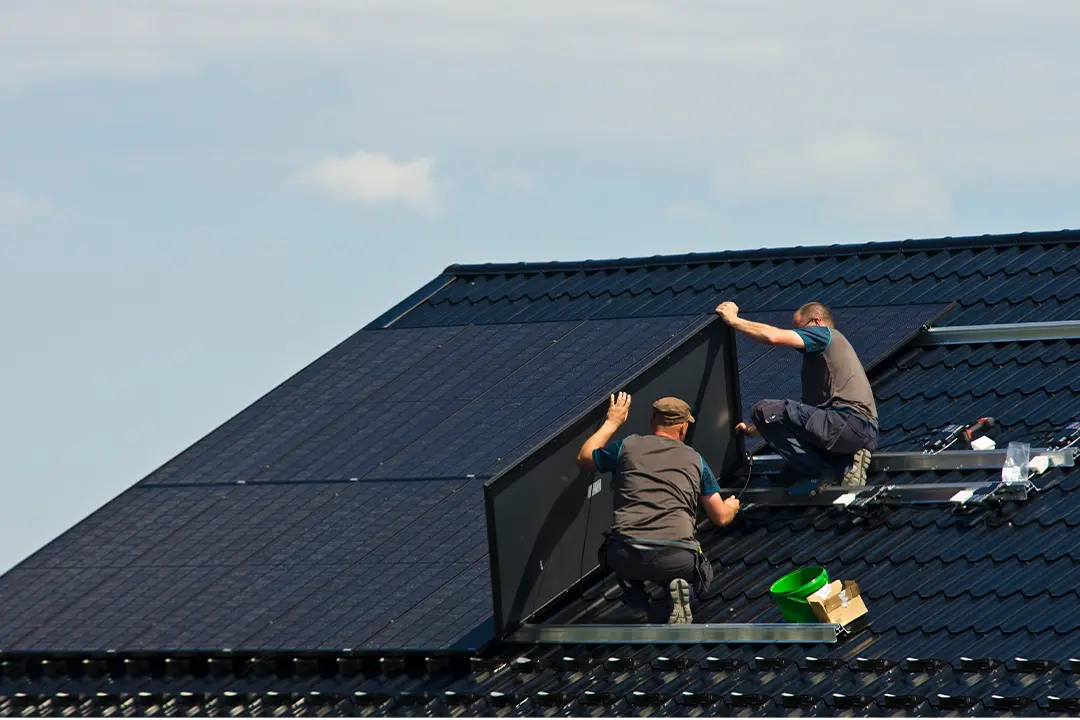
We don’t subcontract our installs. The same in-house installation crews fit every system, which is why our customers keep mentioning the same things — neat cabling, tidy work areas and time taken at the end to explain how the system runs.
Panels designed with batteries in mind
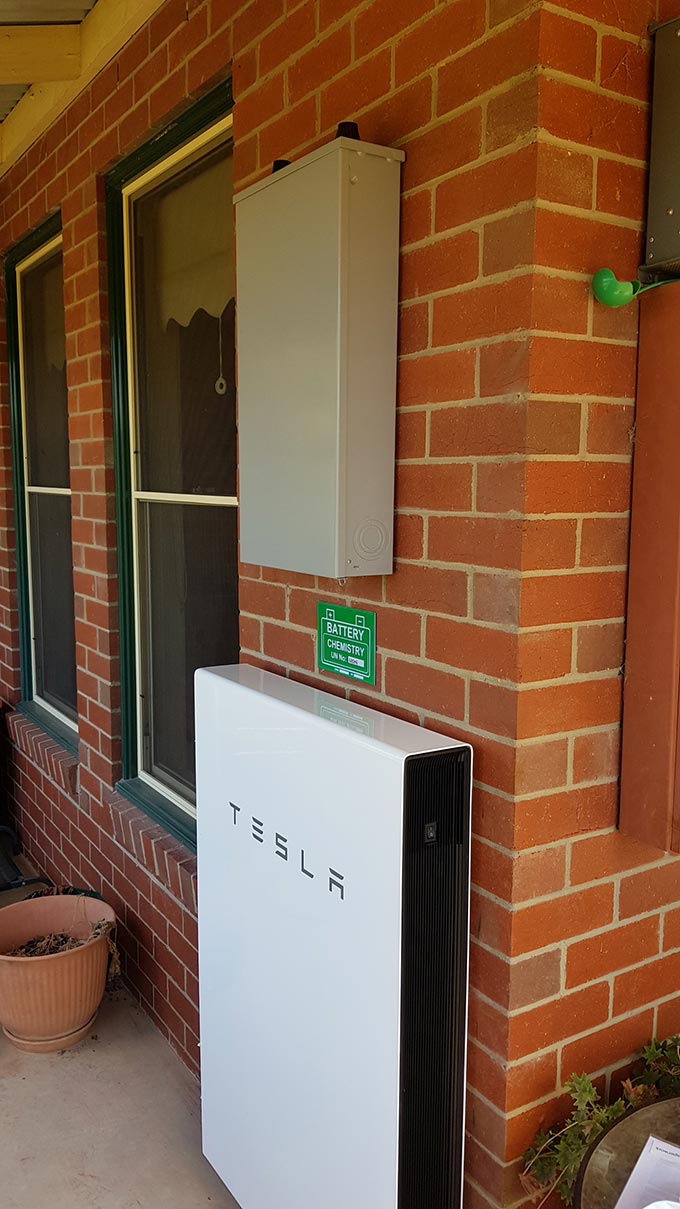
Most homes we quote now are thinking about storage, either straight away or down the track. We size your panels and inverter so a battery — Tesla Powerwall, SigEnergy or BYD — can be added without redoing the work, and our admin team handles the rebate paperwork and grid approvals.
Keep Reading Before You Buy
Panels are only one part of the picture. These guides cover the rest of the decision:
- Solar batteries — how storage works with your panels and what size suits a Geelong home.
- Buyers guide — inverters, monitoring, warranties and the questions worth asking any installer.
- Book a free consultation — we measure the roof and check the switchboard before recommending anything.
Not sure where to start? Call our team on (03) 5243 8364 and we’ll talk you through it in plain English — no pressure, no jargon.