SigenStor vs Tesla Powerwall 3 vs GoodWe: Which Battery Suits Your Home?
We install three main home batteries in Geelong: Sigenergy SigenStor, Tesla Powerwall 3 and GoodWe. All three are good products. The right one depends on your home, your solar and what you want from backup. Here is how our team compares them, using the manufacturers’ Australian documents.
The short version
SigenStor is our most-installed battery, mainly because it is flexible on size and handles solar, battery and backup in one stacked system. Powerwall 3 suits people who want a single, well-known 13.5 kWh unit. GoodWe’s ESA all-in-one suits households wanting a modular stack. We will tell you honestly which fits.
5 to 54 kWh
Sigenergy SigenStor, 1 to 6 modules per stack
13.5 kWh
Tesla Powerwall 3, per unit
up to 54 kWh
GoodWe ESA, per stack
10 years
published warranty on all three
Side-by-side comparison
| Sigenergy SigenStor | Tesla Powerwall 3 | GoodWe ESA (with 8 kWh battery modules) | |
|---|---|---|---|
| Usable capacity | 1 to 6 modules per stack, about 5 to 54 kWh | 13.5 kWh per unit | 5 or 8 kWh modules, up to about 54 kWh per stack, more with parallel stacks |
| Inverter | Energy controller (hybrid inverter) stacks on top of the batteries as one system | Solar inverter built into the battery | Hybrid inverter and batteries stack together as one all-in-one system |
| Inverter size | 5 to 12 kW single phase, 5 to 30 kW three phase | Up to 11.04 kW continuous per unit, depending on set-up | 3 to 10 kW single phase; three-phase versions available |
| Backup | Whole-home or selected circuits, using the Sigen Energy Gateway | Whole-home or selected circuits, using the Tesla Backup Gateway 2 | Whole-home backup up to 63 A without a separate gateway, per GoodWe |
| Expandability | Add modules to the stack, up to 6 | Add Expansion units or more Powerwalls, up to 7 units in total | Add modules to the stack, or add stacks in parallel |
| Outdoor rating | IP66 | IP67 battery and electronics, IP55 wiring compartment | IP66 |
| Monitoring app | mySigen app | Tesla app | SEMS+ app |
| Warranty (published) | 10 years; 70% of usable energy, or a set throughput, whichever comes first | 10 years; 70%, unlimited cycles for normal home use (must stay online) | 10 years; 70% of usable energy, or 3.0 MWh per usable kWh, whichever comes first |
Specifications vary by model, phase and firmware, so we confirm the exact version in your quote.
Sigenergy SigenStor
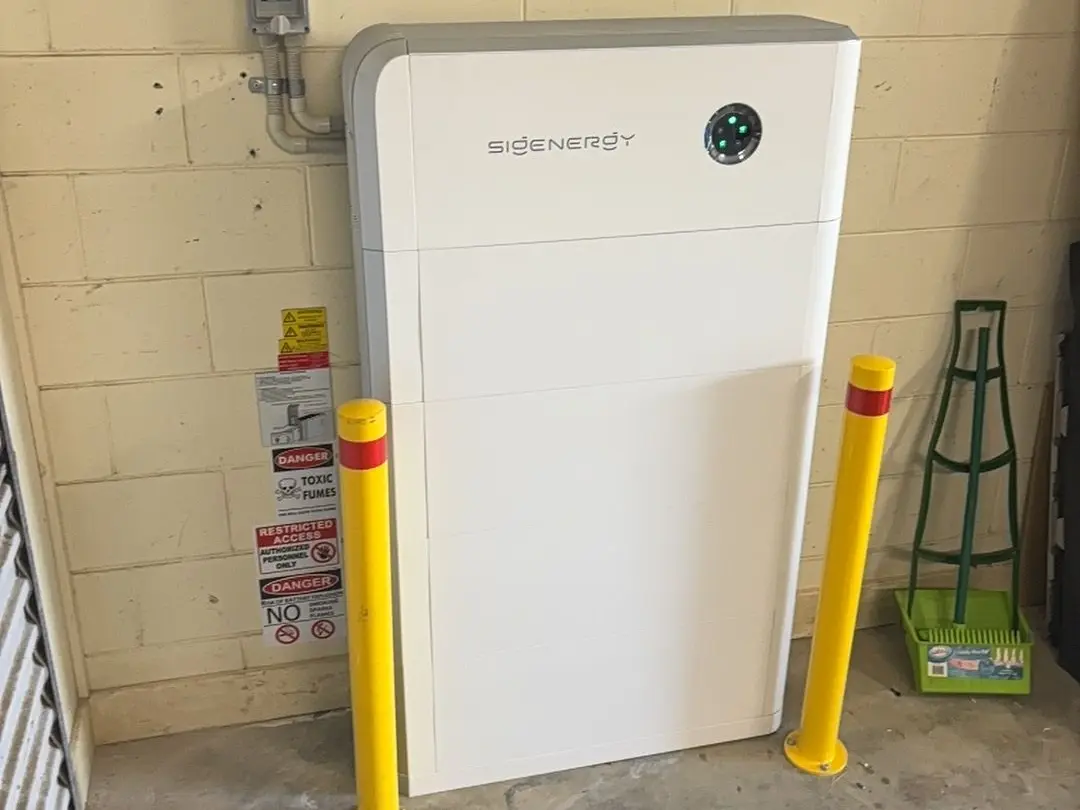
SigenStor is built from stackable battery modules with an energy controller (the hybrid inverter) sitting on top, so you can size the battery to your household rather than choosing between fixed steps. Our new installs use Sigenergy’s 9 kWh module (BAT 10.0), rated at 9.04 kWh in total and 8.76 kWh usable. Systems we installed before mid-2026 used the earlier 8 kWh module (7.8 kWh usable). It suits bigger families, homes planning an EV charger, and people who may add capacity later.
Our team installs it more than any other battery. Read about SigenStor here.
Tesla Powerwall 3
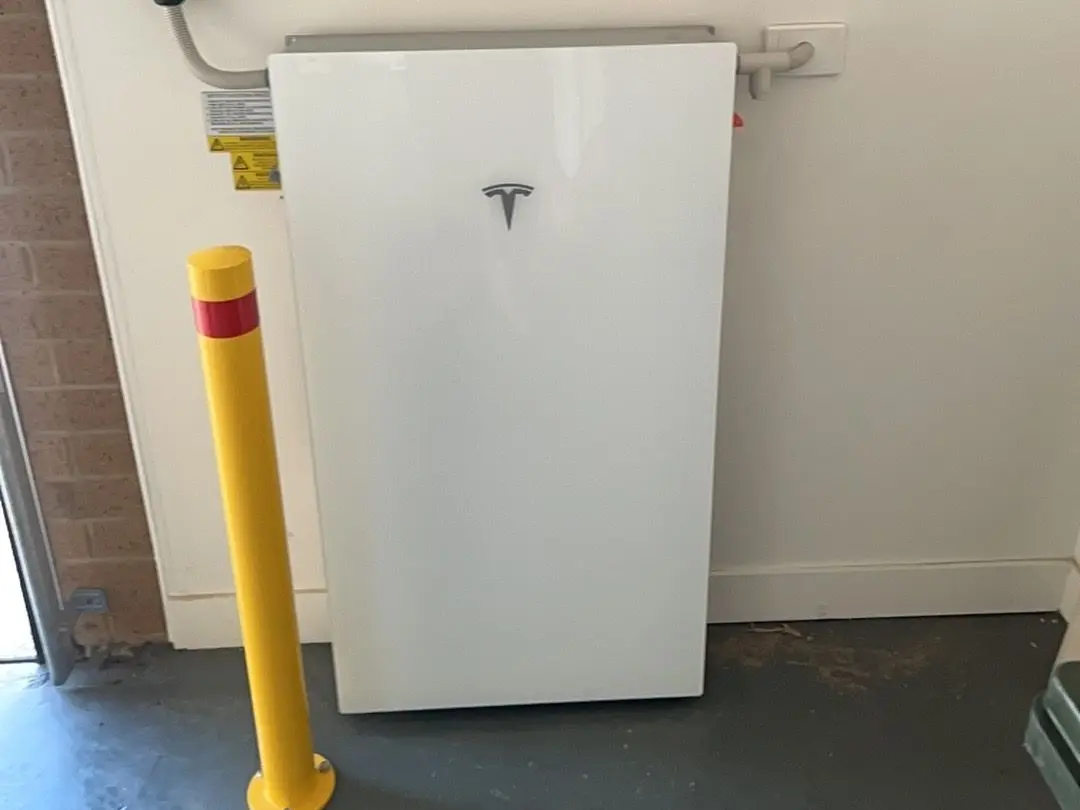
Powerwall 3 combines battery and solar inverter in one unit, with three solar inputs and support for up to 20 kW of panels. That keeps the install tidy. At 13.5 kWh per unit it suits many average homes, and you can add a Powerwall 3 Expansion or a second unit for more capacity. If you already know and like the Tesla app, it is a comfortable choice. We are a Tesla Powerwall Premium Certified Installer. See Powerwall 3 details.
GoodWe ESA
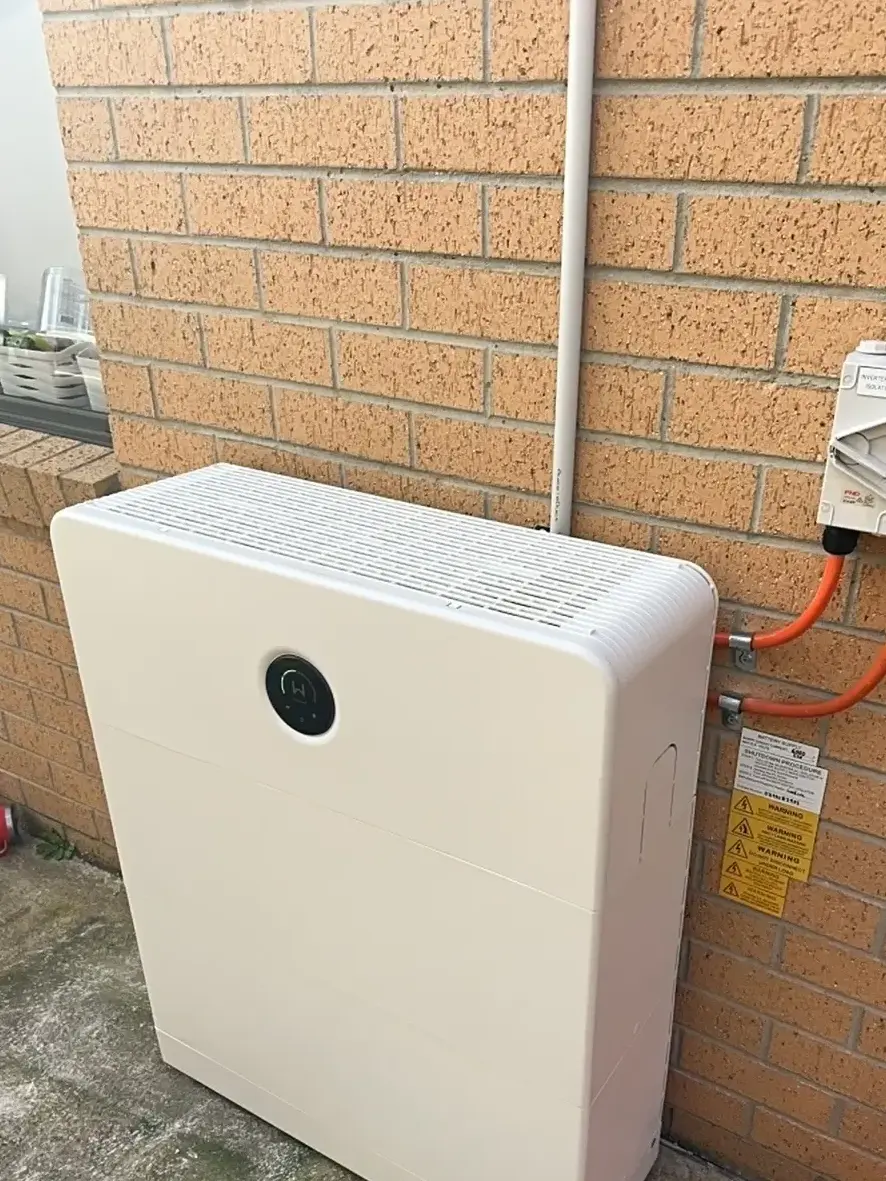
The GoodWe batteries we install are the ESA all-in-one series: a GoodWe hybrid inverter with 8 kWh battery modules (8.0 kWh usable each) stacked underneath. It suits homes wanting a modular, mid-sized battery, and households already using GoodWe. See our battery range for current options.
Which suits which home?
- Larger household, high evening use, or an EV planned: SigenStor, for its size range.
- Typical home wanting a single, well-known unit: Powerwall 3.
- Existing GoodWe solar, or wanting a mid-size modular stack: GoodWe ESA.
- Not sure: start with your usage and tariff, then choose the battery, not the other way round.
What our team actually installs
About 75% of the home batteries we install are Sigenergy, about 20% are Tesla and about 5% are GoodWe. For homes that already have solar, we also fit BYD and Fronius batteries as retrofits where they suit the existing system.
- Sigenergy: seamless on three-phase homes, modular stacking, and support for a backup generator, which is why it is the battery we use for genuine off-grid homes such as our Inverleigh off-grid home and shed.
- Tesla: a premium product we install with full confidence, and in our experience the warranty process is smooth. The trade-off is space: 13.5 kWh units take more wall space for the same energy than a modular stack.
- GoodWe: a solid mid-range price point from a company with a long history in inverters. The ESA stack looks and works much like a SigenStor.
We won’t install anything we don’t back up, and we handle warranty claims with the manufacturer for you.
How we think about backup
All three can be set up for whole-home backup, but the battery is only part of it. Ducted heating, pool pumps and electric ovens draw a lot of power at once, and the inverter size sets how much can run together. Many households are happier with backup for lights, fridge, internet, TVs and a few power points, with the big loads left off. What you want kept running affects the battery size, gateway and switchboard work, and single-phase and three-phase homes behave differently, so we design it with you first.
Inverter set-up: integrated or separate?
All three put the inverter and battery together. Powerwall 3 has the solar inverter inside the battery cabinet, while SigenStor and GoodWe ESA stack the inverter and battery modules into one tower. With a stack, inverter size and battery size are chosen separately; Powerwall 3 comes in 13.5 kWh steps. If you already have solar, we check whether your existing inverter should stay.
Where the battery goes: Geelong salt air and garages
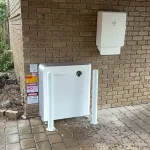
All three are rated for outdoor installation, but placement still matters. In coastal suburbs such as Ocean Grove, Barwon Heads, Torquay and Portarlington, salt spray is hard on any outdoor electrical gear. We prefer a sheltered wall away from the prevailing wind and direct afternoon sun, with airflow and clear access for servicing, and we follow each manufacturer’s clearance and environment rules.
Garages are popular because they are sheltered and often near the switchboard. Australian installation rules limit where a battery can go, for example not in living areas, under stairs or where it would block an exit, and a garage wall shared with a bedroom or living room may need a fire-resistant barrier. We also keep it clear of car doors, and confirm the location at the site visit.
Questions to ask your installer
- What is the usable capacity, and what does that mean for my evening use?
- What size is the inverter, and what can run at the same time during a blackout?
- Is backup whole-home or selected circuits, and is a gateway included in the price?
- Where will the battery be mounted, and does that location meet the manufacturer’s rules?
- How would I add capacity later, and what are the limits for this model?
- Who handles a warranty claim, and does the system need to stay online?
- Does my existing solar qualify for the federal battery rebate?
Monitoring and apps
Each brand has its own app: mySigen for SigenStor, the Tesla app for Powerwall 3 and SEMS+ for GoodWe. All show solar production, battery level and home use, and we set yours up with you at handover.
What about price?
Prices depend on battery size, existing solar and your site. See our Geelong price guide or try the pricing tool. The federal rebate is deducted up front and steps down on 1 January 2027, so check our rebate calculator.
Common questions
How long does installation take?
A battery adds one to two days to a solar install.
Sources: Sigenergy Australian home brochure and datasheets and SigenStor warranty (Australia and New Zealand); Tesla Powerwall 3 Australian datasheet and Powerwall warranty (Australia and New Zealand); GoodWe ESA series Australian page, ESA Australian datasheet and battery module warranty (Australia and New Zealand).
Last checked: 18 October 2026. Manufacturers update their products and documents, so confirm current details when you get a quote.